Santa Clarita Roof Pros: Class A Reroofs, Tile & Wind Damage Work
Expert residential and commercial roofing services. Free on-the-roof inspection and a written scope before any work starts.
- Licensed, insured and bonded California roofing contractor
- Free on-the-roof inspection with a chalked test square and photographs
- Written scopes that name the fastener pattern and the vent listing
- Written workmanship warranty on every installation
Our Roofing Services in Santa Clarita, CA
Roof Replacement
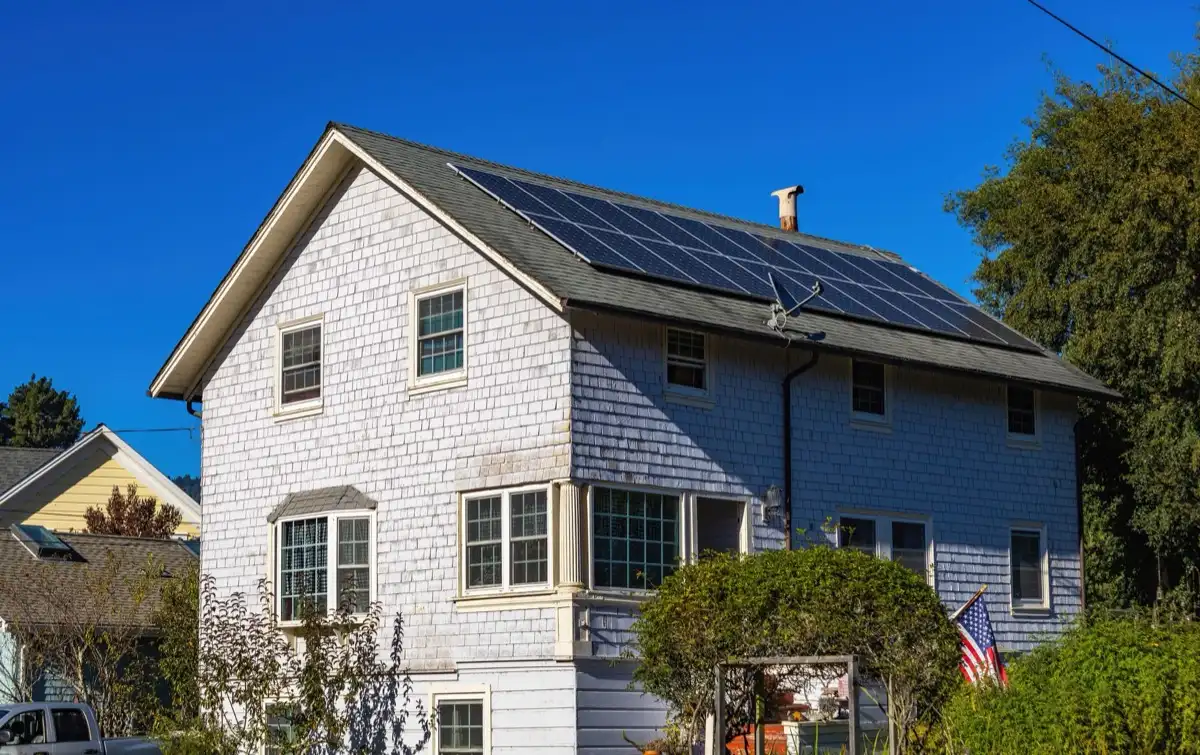
A tear-off is the one hour in a roof's life when the eave, the vent openings and the deck are all open at the same time. In this valley that access matters more than which shingle you pick, because embers get in at exactly those three places.
Roof Leak Repair
Most leaks in this valley are not born in the rain. They are born in October, when a Santa Ana breaks the sealant bond along a rake or shoves a field tile out of course, and they stay silent until the first real December storm finally finds the opening.
Storm Damage Restoration
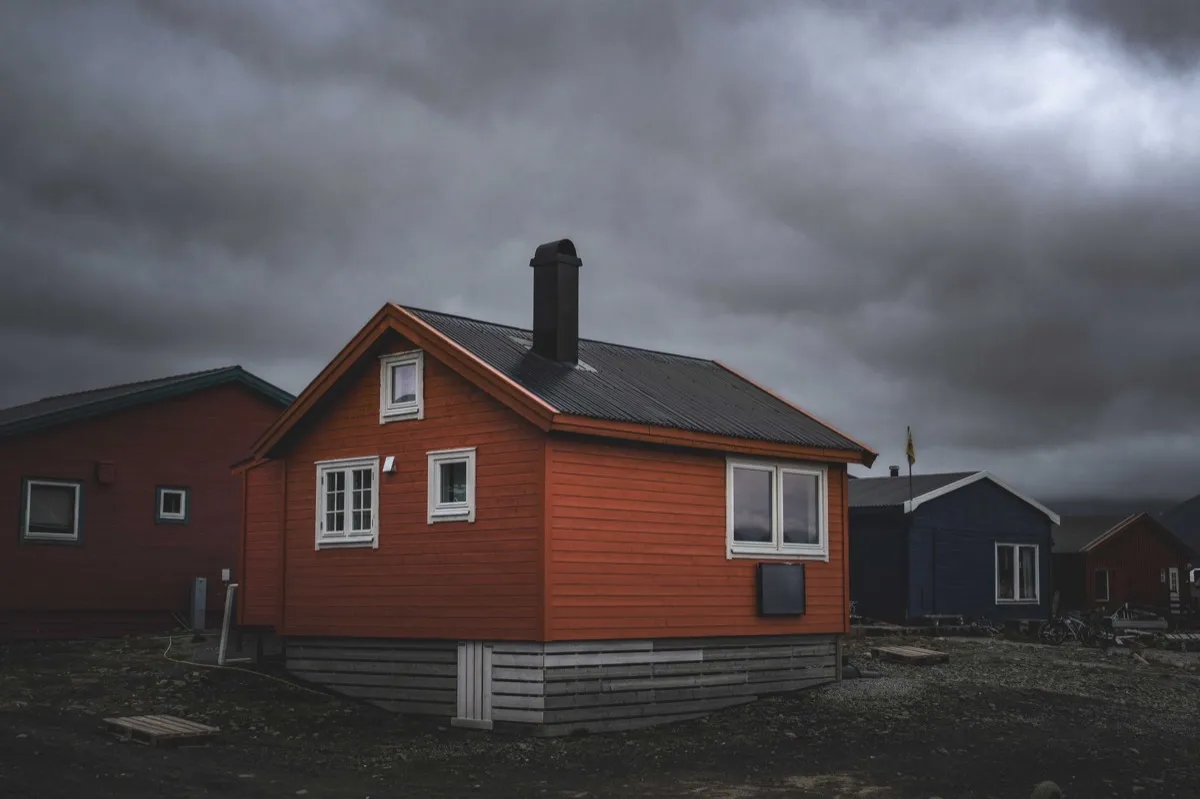
Storm here rarely means what it means in the Midwest. Our destructive weather arrives as a dry offshore wind at forty to seventy miles an hour, sometimes carrying embers from a fire twenty miles upwind.
Hail Damage Roofing
This page exists mostly to stop you buying something. Hail large enough to bruise a roof is uncommon in the Santa Clarita Valley, and a good share of the hail claims filed here turn out to be for damage that hail did not cause.
Wind Damage Roofing
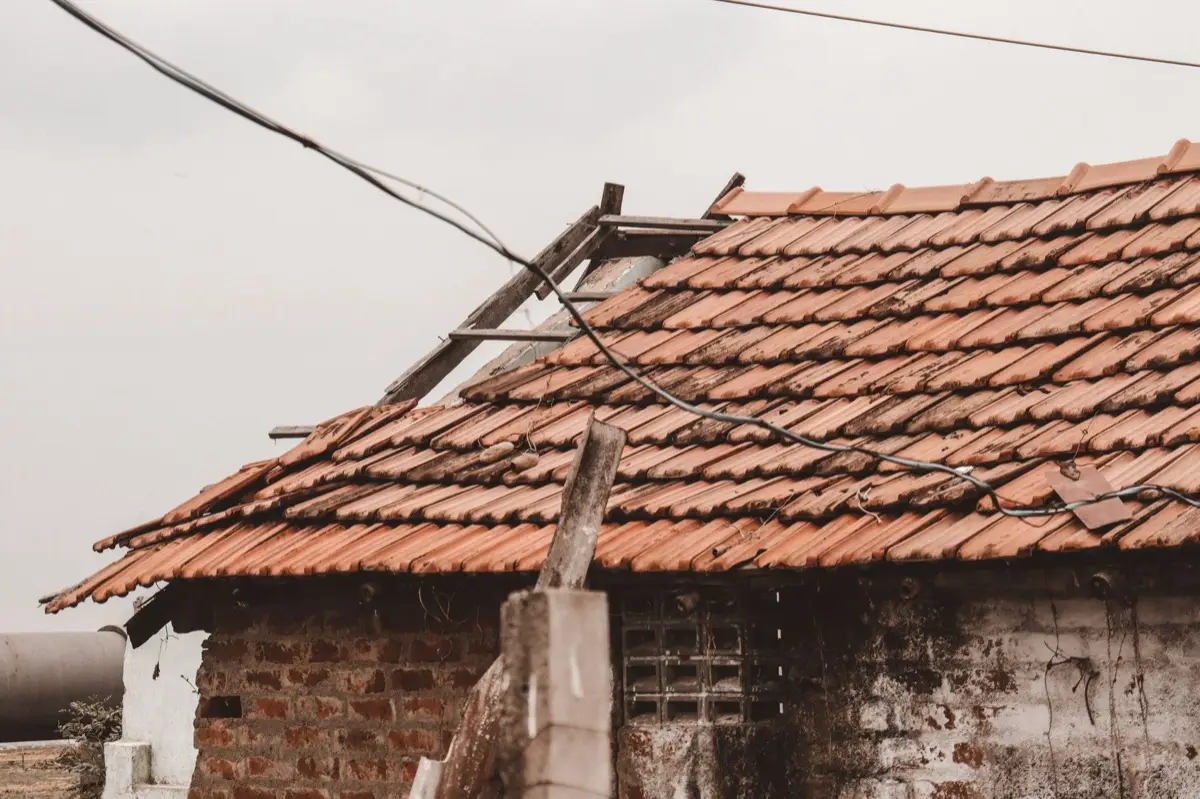
The damage worth finding after an offshore wind is usually the damage you cannot see. A missing ridge cap announces itself.
Roof Inspections
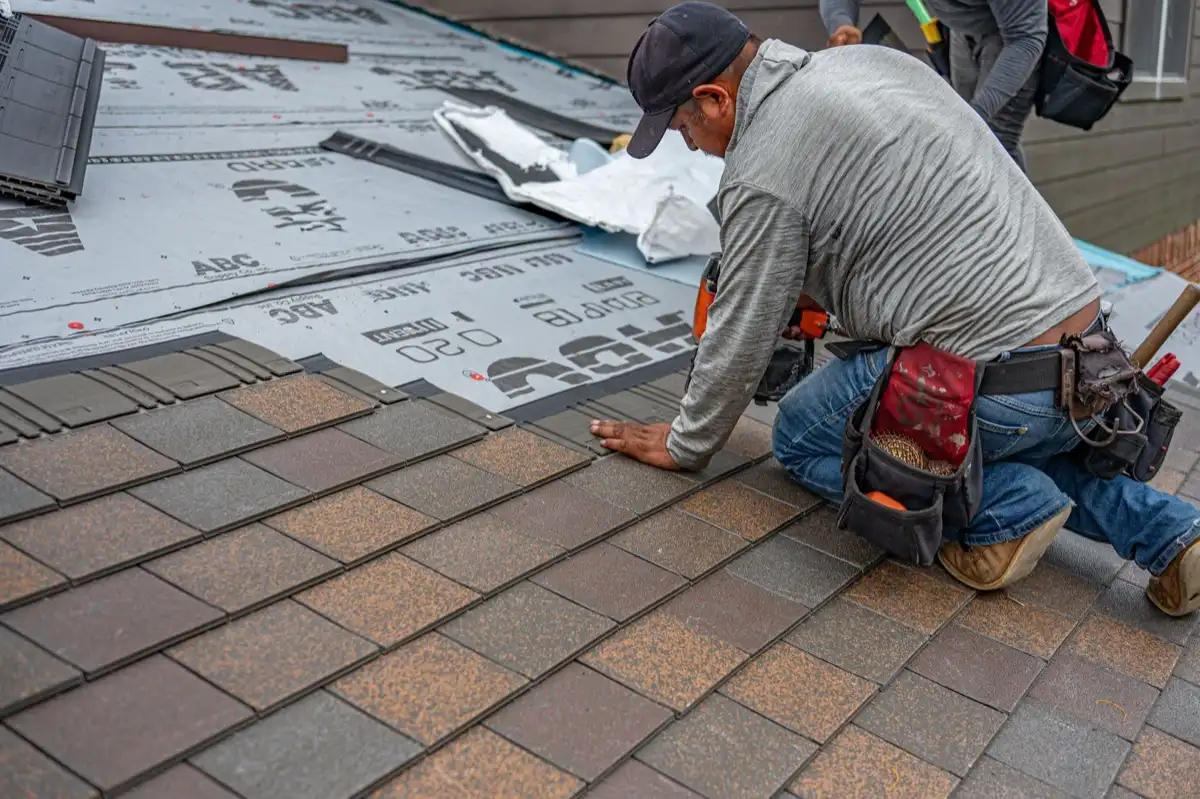
An inspection here has to answer two separate questions, and most reports only answer one. Will this roof keep water out, and will this assembly keep an ember out during a wind-driven fire.
Asphalt Shingle Roofs
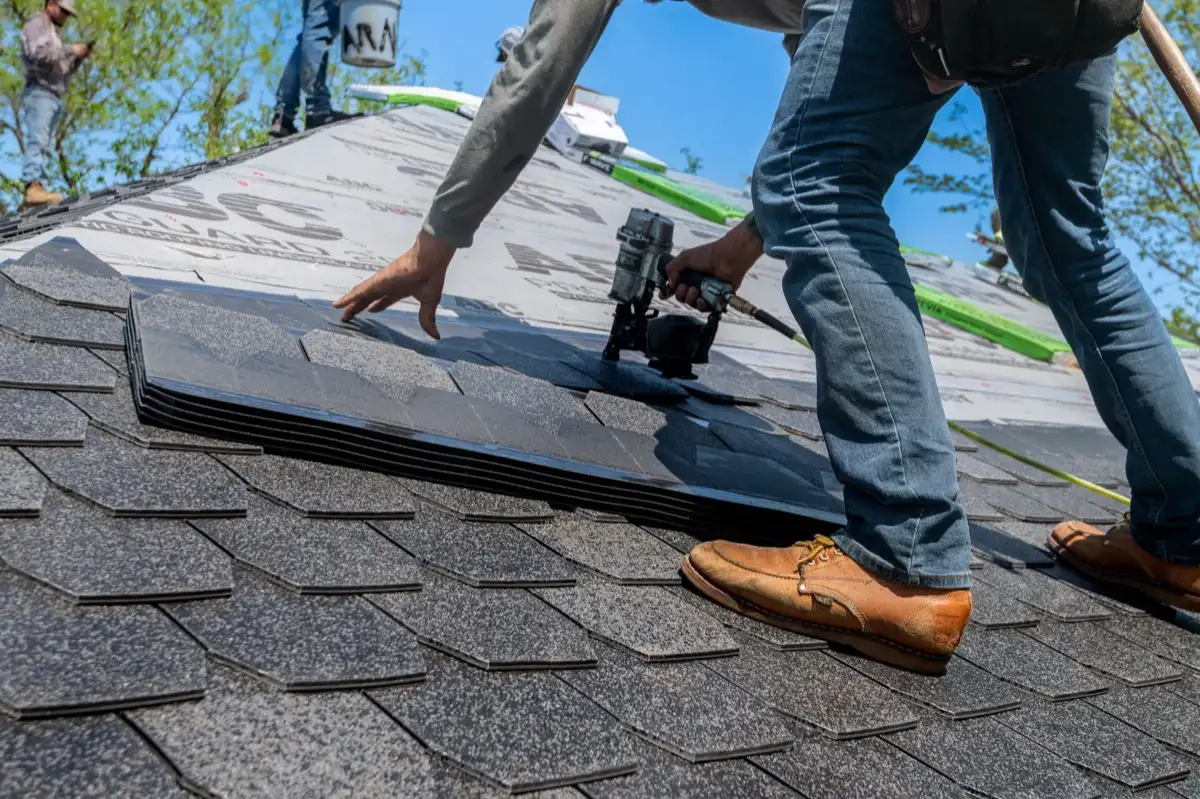
Laminated asphalt sits on most of the valley's newer tract housing, and it is a genuinely good fit here — provided two things are true about how it went on. It has to be part of a rated assembly, and its adhesive has to have actually bonded.
Metal Roofing
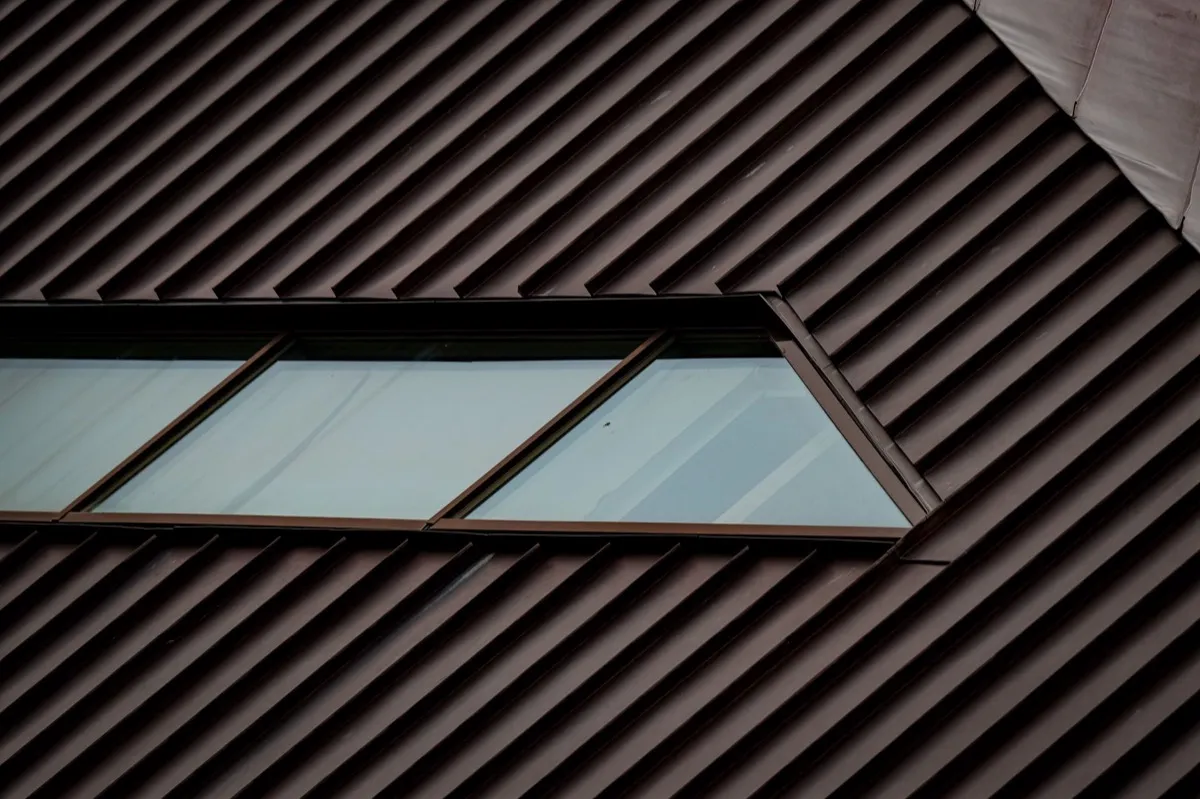
Metal satisfies both halves of the problem at once, which is why we recommend it on the hillside edges of this valley more often than the volume figures would suggest. It is non-combustible, and a concealed-clip panel is mechanically held rather than glued down.
Tile Roofing
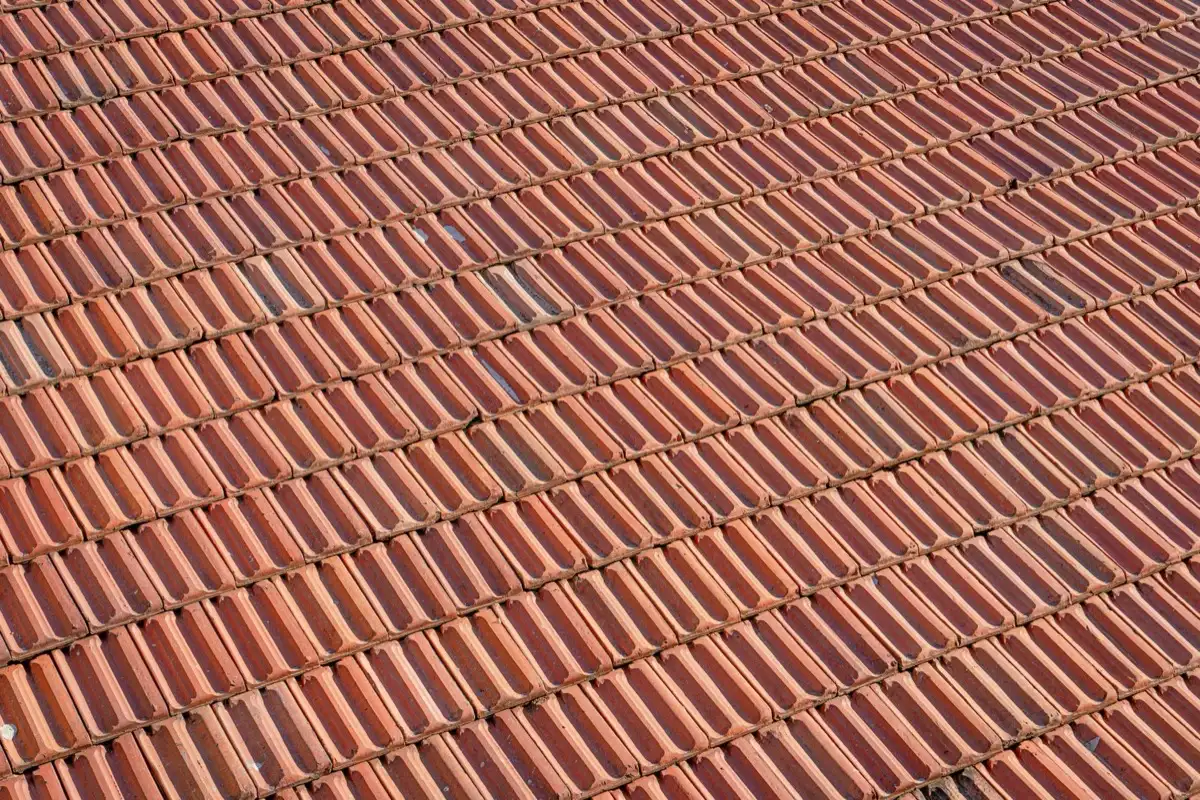
Concrete tile covers a great deal of this valley and it starts with a real advantage: the covering itself will not burn. The trouble is that tile is a water-shedding cover over a drainage plane, and the space between the two is open at the edges unless somebody closed it.
Flat & Low-Slope Roofing
Low slope in a valley of pitched tract housing usually means something added on: a rear addition, a garage with a flat lid, a covered patio, a deck over living space. Those small planes cause a disproportionate share of the leaks and nearly all of the awkward fire details.
Roof Coatings & Sealing
We sell fewer coatings than most roofers in this market, and it is worth explaining why rather than quietly steering you elsewhere. A coating is a maintenance product for a specific set of low-slope roofs.
Roof & Attic Ventilation
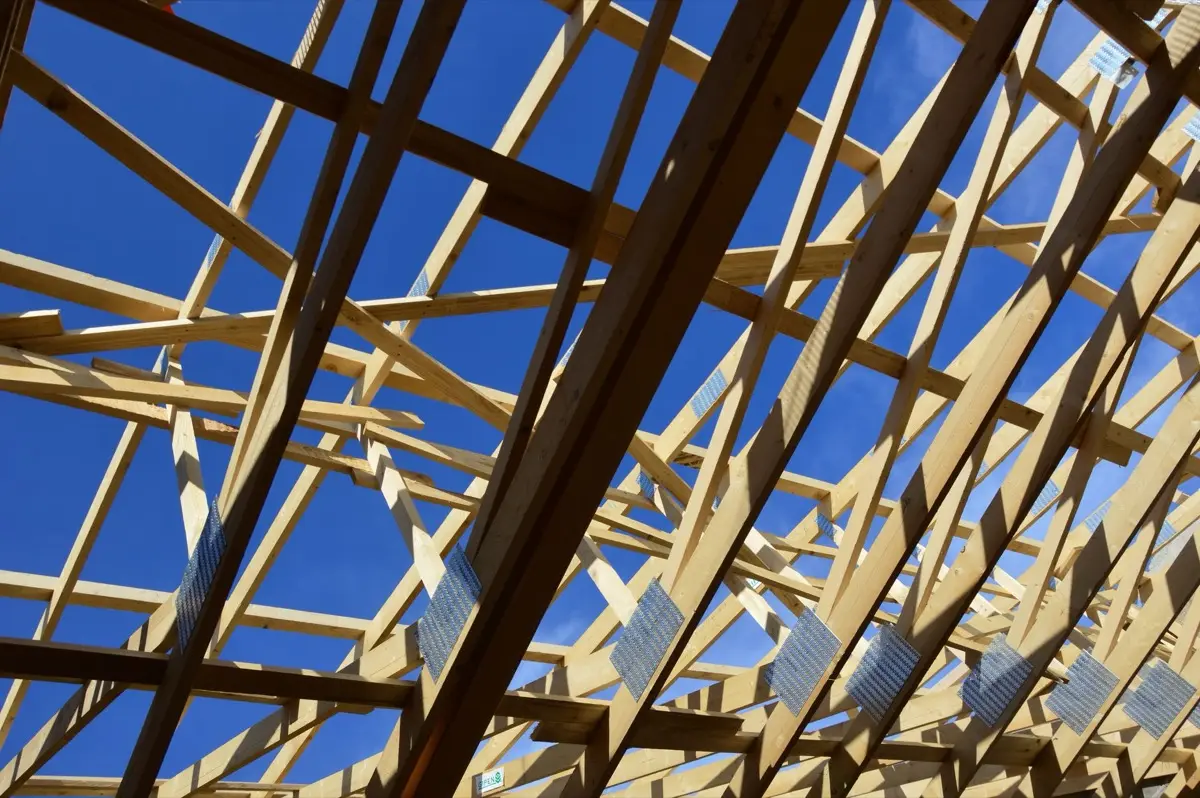
Standard ventilation advice says open the attic up: more net free area, balanced intake at the soffit and exhaust at the ridge. In a wildfire interface that advice is incomplete, because every square inch you add is also a way in for embers riding the same wind.
Skylights
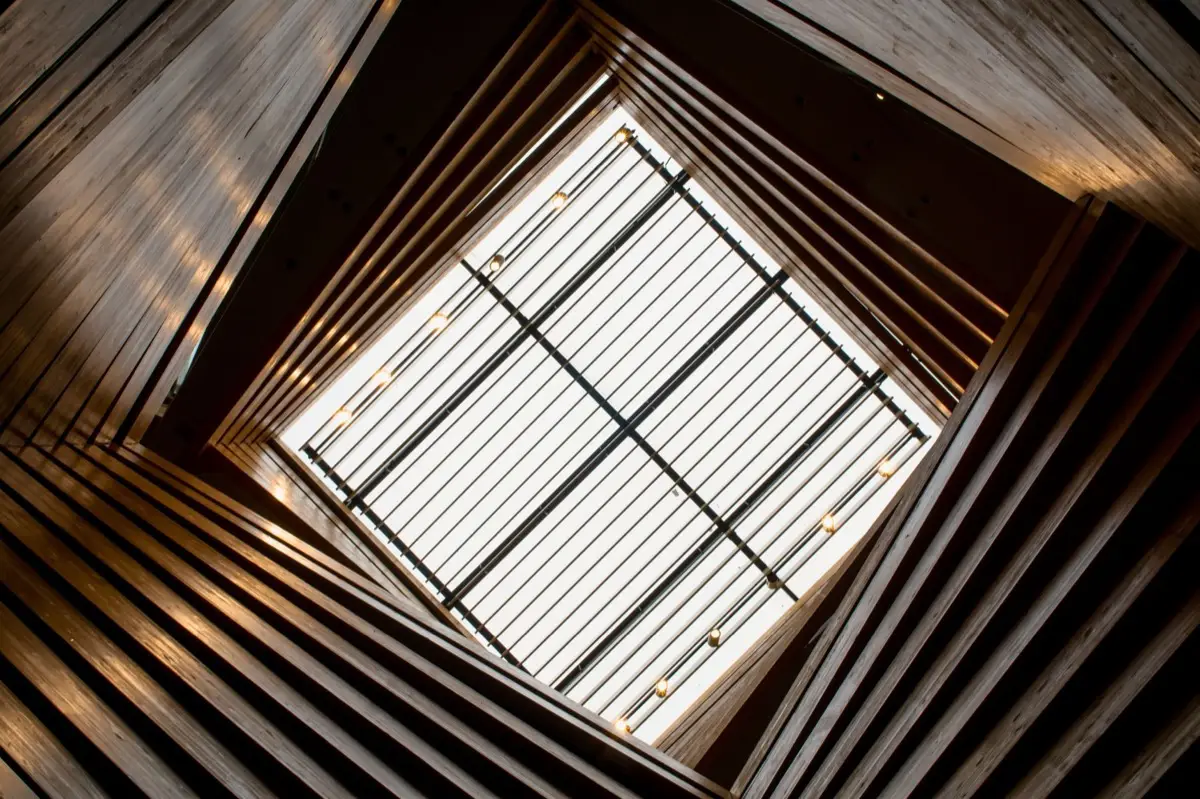
A skylight is a hole in the assembly you spent money making continuous, so the question is never only whether it will leak. It is whether the glazing and the curb belong in a wildfire interface at all, and that depends entirely on what sits in the opening.
Gutters & Downspouts
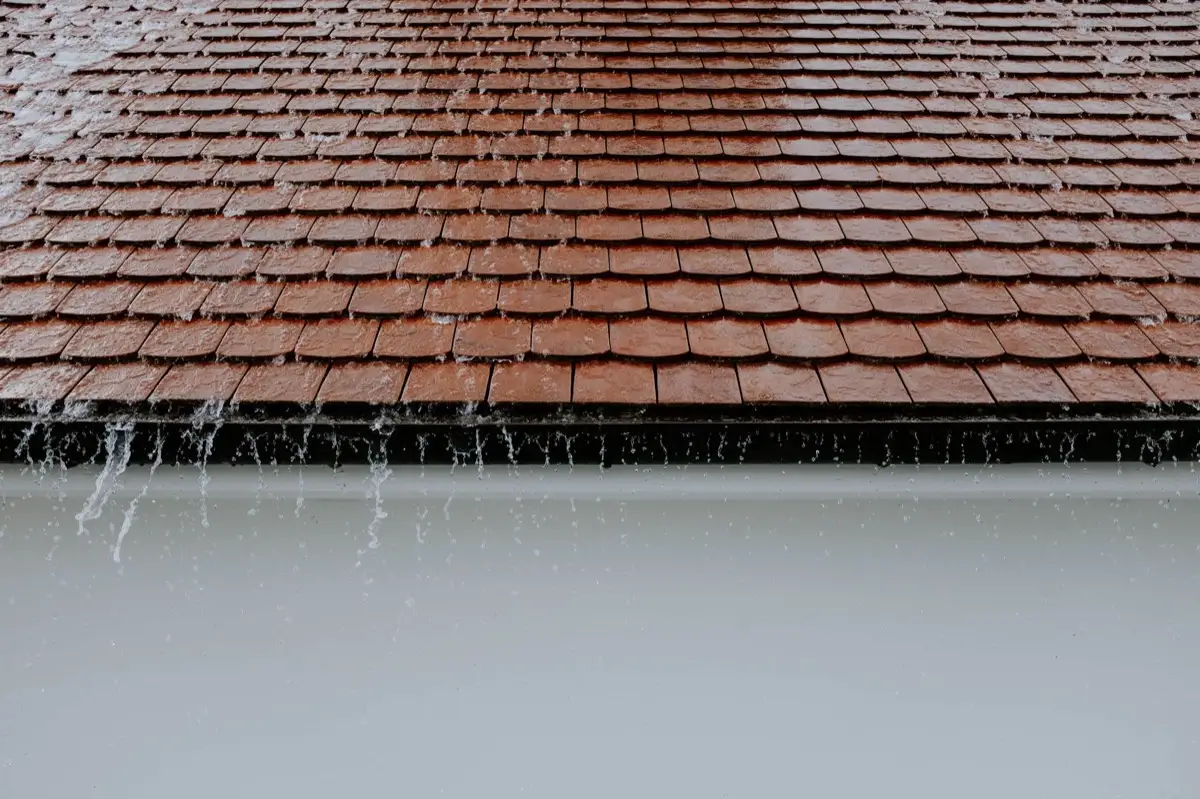
A gutter in this valley has a second job nobody sells it for. It runs along the fascia under the eave, and when it fills with oak leaves, eucalyptus bark and dry chamise litter it becomes a tray of tinder held against the most vulnerable edge of the house.
Fascia & Soffit
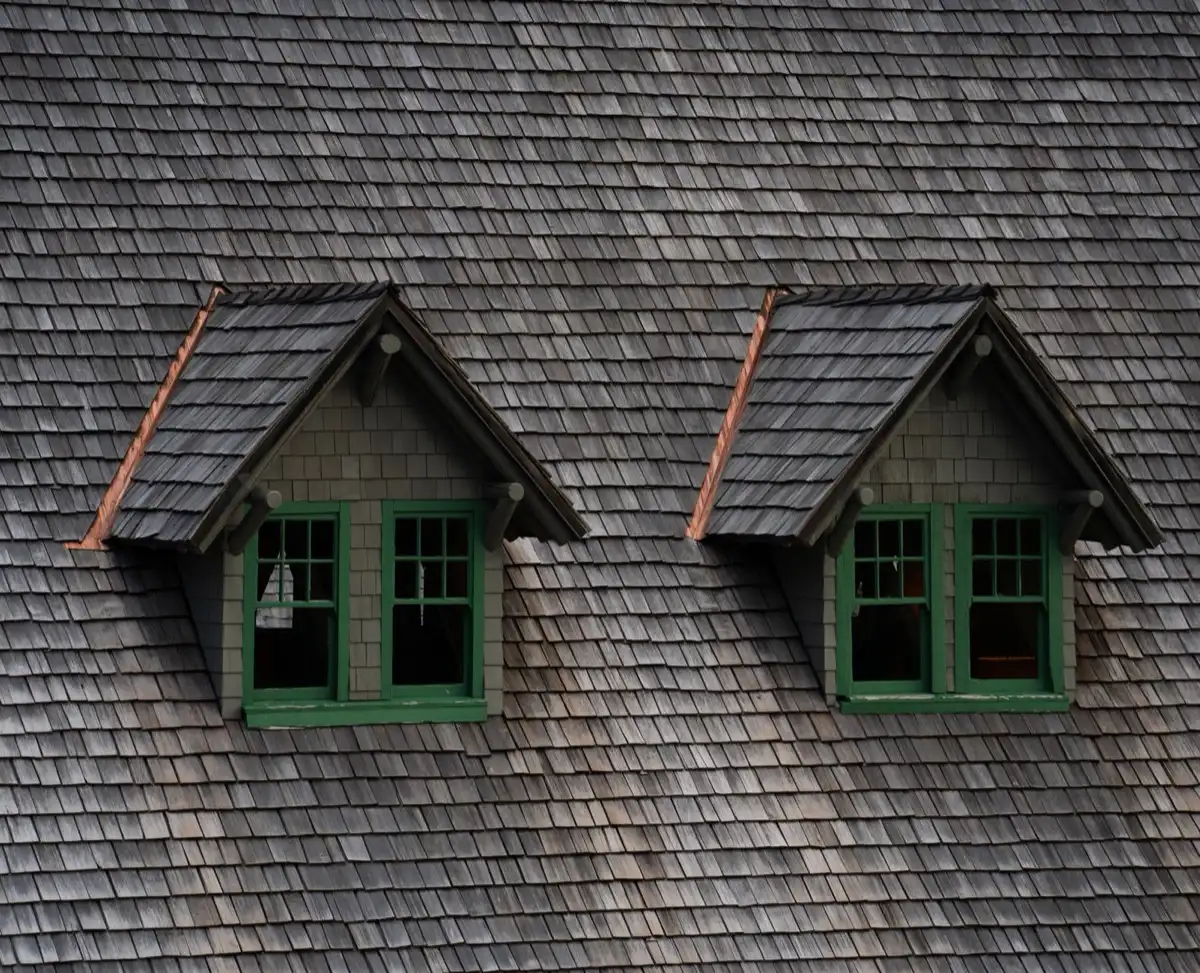
Open rafter tails are the most common weak point we find on older houses here, and almost nobody calls a roofer about them. An open eave is an upside-down pocket that catches whatever the wind pushes along the wall, and it is the one place a homeowner never looks.
Chimney Flashing
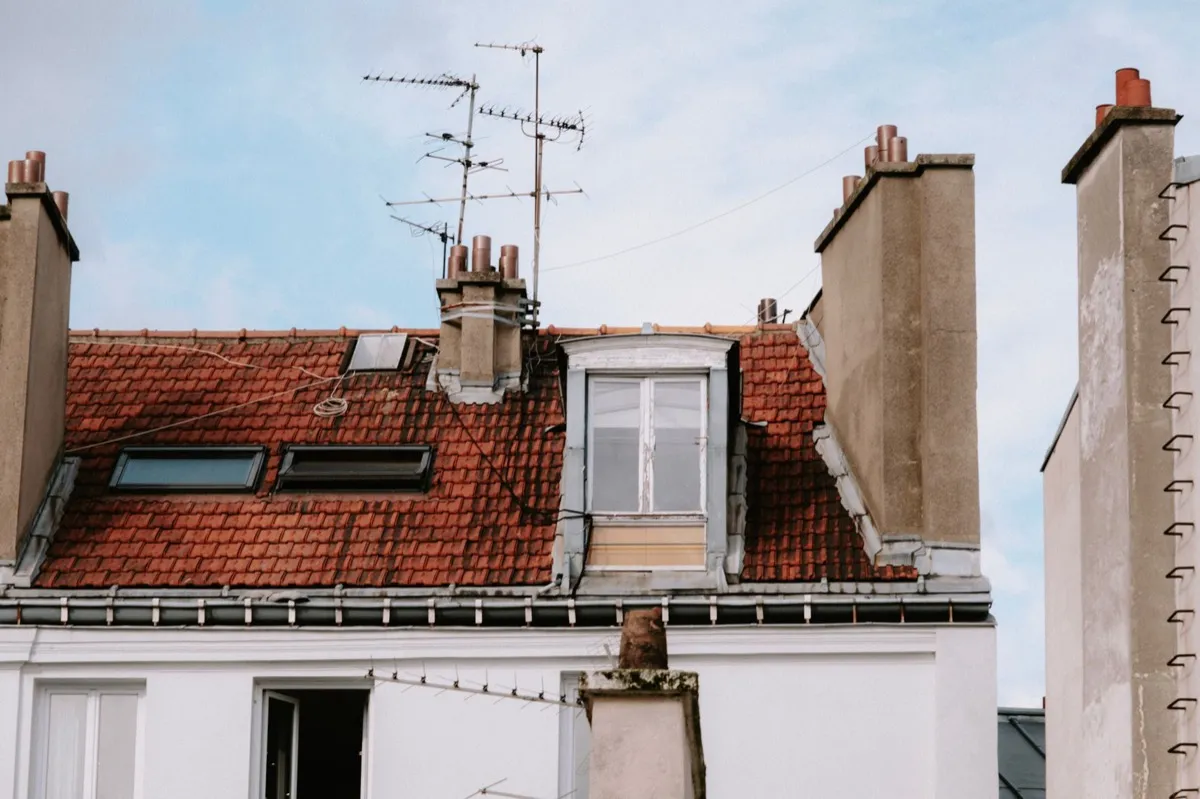
A chimney is the hardest thing on a roof to keep watertight and, in fire country, one of the few places embers can travel in either direction. Both problems get solved with metal, on the same visit, because the crew and the access are the same.
Emergency Tarping
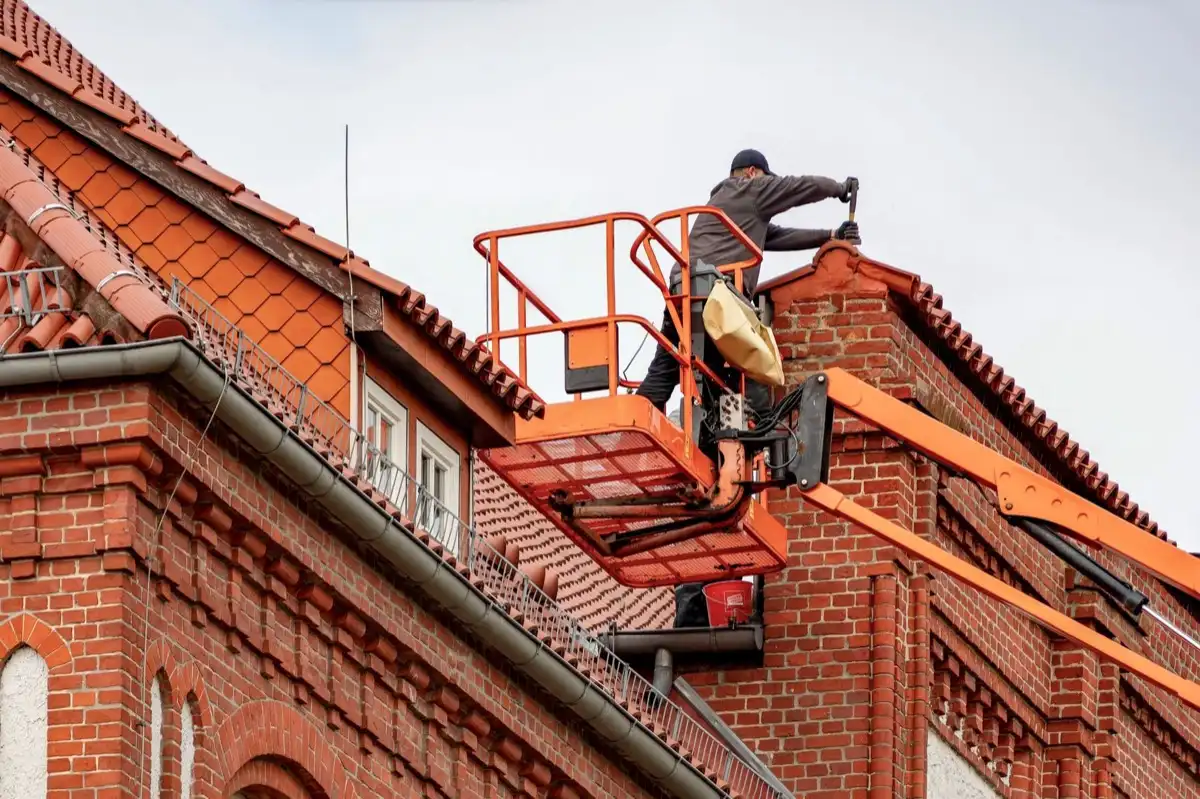
Emergency work in a valley of dry offshore winds has a complication most tarping advice ignores. A polyethylene tarp in a forty-mile-an-hour gust is a sail with a hundred square feet of area, and a badly attached one takes more roof off than the original event did.
Commercial Roofing
Commercial work here is not a warehouse district. It is the Valencia Industrial Center's mid-size buildings, medical and professional offices, retail centers, self-storage, hospitality near the theme park, and a large stock of condominium and association roofs.
Insurance Claim Help
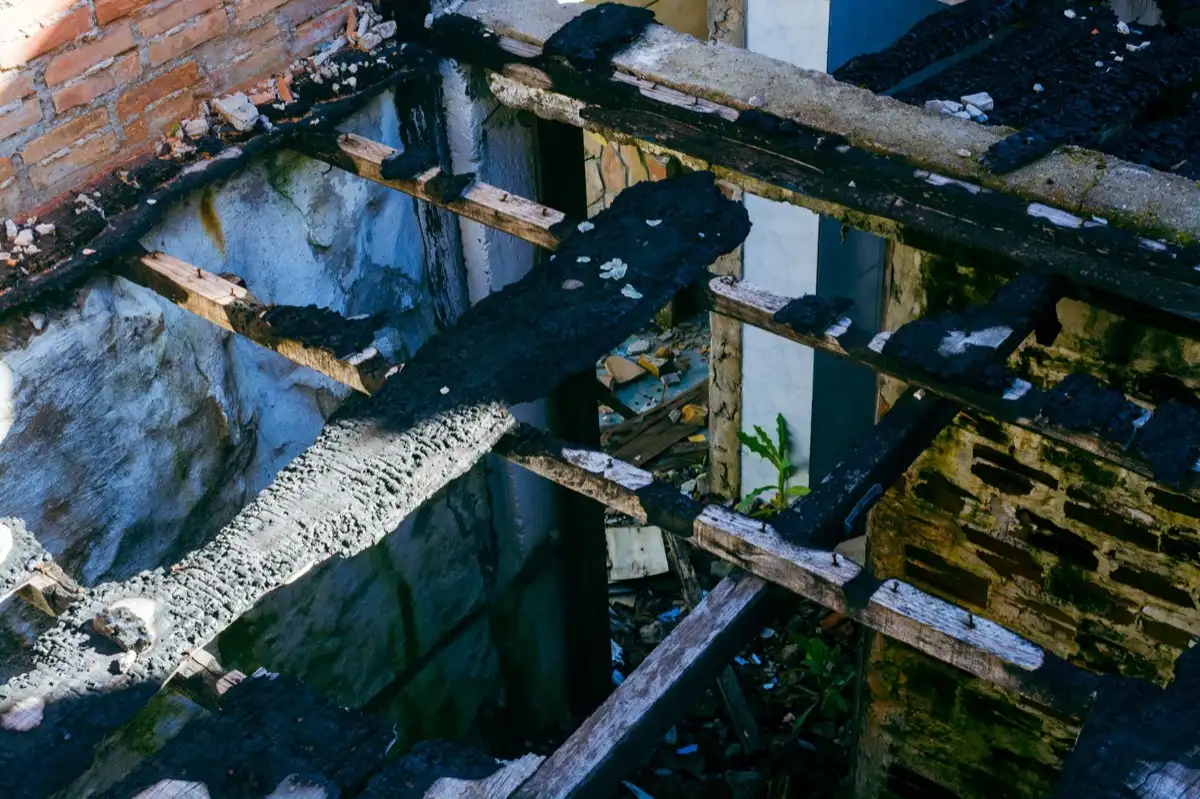
We do not adjust claims and we are not lawyers. What we do is document a roof properly and describe the damage in the language a carrier's file already uses, which turns out to be a surprisingly large share of whether a legitimate claim gets paid.
Santa Clarita Roof Pros is a licensed, insured roofing contractor working the Santa Clarita Valley — roof replacement, leak repair, wind damage, concrete and clay tile, laminated asphalt shingle, standing seam metal, low-slope cap sheet, gutters and commercial low-slope work on everything from tract housing in Valencia to industrial buildings off Magic Mountain Parkway.
Two things decide how long a roof lasts here, and they arrive together. Embers travel on a Santa Ana, so the covering has to belong to a Class A assembly, and the assembly has to still be fastened down when that wind hits. A rated shingle on a loose perimeter fails at both. So we quote a whole assembly — rated deck, rated underlayment, listed ember-resistant vents, boxed eaves, six-nail perimeter and clipped tile edges.
Every job starts with a walk of each slope, a chalked test square and photographs, and ends with a written scope that names the fastener pattern and the vent listing rather than a color. When a repair is the right answer we quote the repair, and we will tell you plainly when a roof has years left in it.
What Santa Clarita Customers Say
They found the tile on our rakes had never been clipped, only the ridge. Clipped the perimeter, closed the eaves with bird stops and swapped four vents. Cost less than the reroof two other outfits quoted.
Ceiling stain after the January rain. They chalked the deck underside and ran water in stages until it showed, which turned out to be a furnace flue, not the field. One penetration, one invoice, no upsell.
Asked for a coating on our flat garage roof. They opened a lap, showed us the trapped moisture underneath and refused to coat over it. Did a two-ply cap sheet instead and explained exactly why.
Wind took the ridge caps off the shop. They battened the tarp into the deck properly instead of nailing loose plastic down, and it was still there after the next blow. Photographs came through the same evening.
Why Santa Clarita Chooses Santa Clarita Roof Pros
- ✓Every proposal names a fire rating for the whole assembly and a wind rating for the covering, not one or the other
- ✓We quote listed ember-resistant vents by their tested free area rather than by the size of the hole they cover
- ✓Six fasteners per shingle through the first three courses at every rake and eave, and edge metal at four inches on center
- ✓Tile perimeters mechanically clipped at eave courses, rakes, hips and ridge on any slope with real exposure
- ✓Cool-weather shingle work is hand-sealed under the perimeter tabs, because an unactivated adhesive strip has no wind rating
- ✓We put the September pre-wind inspection and gutter clear in writing as maintenance, and we tell customers when a roof needs nothing
About Santa Clarita Roof Pros in Santa Clarita, CA
Santa Clarita Roof Pros is a licensed and insured roofing contractor working Santa Clarita, the surrounding canyons and the Antelope Valley. We install and repair concrete and clay tile, laminated asphalt shingle, standing seam and exposed-fastener metal, and two-ply low-slope systems, on houses, associations and commercial buildings.
What we are opinionated about is the assembly rather than the brand. In a valley where embers arrive on a seventy-mile-an-hour offshore wind, a Class A covering on a loose perimeter and an open eave is not a fire-resistant roof, and a beautifully fastened roof with unlisted vents is not either.
So our proposals name the deck, the underlayment, the covering, the fastener pattern and the vent listing, and we would rather lose a bid on price than leave one of those out.
There are jobs we tell people not to buy. If your roof is fifteen years old with a bonded field and a tight perimeter, you do not need a replacement. If a storm chaser told you that you have hail damage, get a second opinion before signing.
If someone is selling you a coating as fire protection, that is not what a coating does. We would rather do the small honest job now and the large one when it is genuinely due.
How It Works
- 1
On-the-Roof Inspection, Two Checklists
We walk every slope and run two lists: the water list — fasteners, sealant at penetrations, valleys, flashings, deck movement — and the wildfire list, checking every opening over an eighth of an inch, whether vents carry a listing, and whether rafter tails are boxed or open.
- 2
Test Square and Photographs
We chalk a ten-by-ten square on each slope, record what is inside it, and photograph the attic from below for stains and daylight. You get the file. It is also what a second contractor or an adjuster needs to check our findings rather than take our word for them.
- 3
A Written Scope, Not a Color Choice
The proposal names the deck, underlayment and covering as one rated assembly, the fastener pattern at the perimeter, the listing number of the vents going in, and any contingency such as re-decking, priced separately so nothing appears as a surprise mid-job.
- 4
Build, Detail, Clean, Warranty
We dry in the same day we open a roof, detail eaves, ridges, valleys and penetrations to the scope, run a magnet over the property twice, and hand over photographs of the finished work with a written workmanship warranty.
Commercial Roofing in Santa Clarita & Across the Santa Clarita Valley
We roof and maintain mid-size industrial buildings in the Valencia Industrial Center, medical and professional offices, retail centers, self-storage, hospitality near the theme park, and a large stock of condominium and association roofs. Most of that work is mixed geometry carrying a lot of rooftop equipment, so the curbs and the perimeter get more attention than the field does. We phase work so tenants stay open, tie in watertight every night, and keep staging clear of entrances.
- ✓60 and 80 mil TPO and PVC single-ply, adhered or mechanically attached, on larger open planes
- ✓Two-ply SBS modified bitumen with a mineral-surfaced Class A cap sheet on small or cut-up planes
- ✓Raised, properly sized curbs with formed metal counterflashing at every rooftop unit and duct
- ✓Tested edge and coping systems fastened to the pattern for the wind zone, with increased density at corners
- ✓Title 24 compliant reflective surfacing specified at design rather than added afterwards
- ✓Tapered insulation and crickets to build positive drainage to sized outlets with overflows
- ✓Phased reroofs with nightly watertight tie-ins for buildings that cannot close
- ✓Twice-yearly inspections, a September debris clear before the winds, and a five-year budget forecast
Service Areas
Santa Clarita Roof Pros serves Santa Clarita, CA and surrounding communities including:
Recent Projects Across the Santa Clarita Valley

Frequently Asked Questions
Does my Santa Clarita roof actually need wildfire detailing, or is that an upsell?
Much of the valley sits in a mapped high fire hazard area, and the Tick, Sand and Rye fires all ran on offshore wind.
If your house is in one of those areas the detailing is not optional in any practical sense — and honestly it is cheap: listed ember-resistant vents and boxing open rafter tails are a small line on a tear-off bid.
If you are well inside the flats, with boxed eaves and listed vents already, we will tell you the work is not needed.
How long does a roof last in Santa Clarita?
A properly installed laminated asphalt assembly generally runs twenty to twenty-five years here, concrete tile lasts far longer than the underlayment beneath it, and standing seam metal will outlast two shingle roofs. What shortens all of them is ultraviolet and heat on exposed sealant. The failure we see most is a bond that quietly stopped working around year twelve to fifteen, which is why a perimeter check matters more than the warranty length on the wrapper.
Why do you say leaks start in October when it never rains in October?
Because the damage and the leak are separate events. A Santa Ana breaks the adhesive bond along a rake or shoves a tile out of course in autumn, and the roof looks perfectly normal from the street. The opening then sits there until the first substantial storm in December or January finds it.
We inspect for wind damage in dry weather for exactly that reason — it is far cheaper to close in September than to chase a ceiling stain in winter.
Is a cool roof worth it here, and does it help with fire?
They are two different things. A Title 24 cool-roof rated covering lowers attic temperature and cuts summer cooling load, which is worth having in this climate. It does nothing for fire. Fire performance comes from the assembly's Class A rating, from listed vents, from closed eaves and from a clear gutter. Anyone selling reflectance as fire protection is confusing two ratings, and we would want you to know the difference before you spend.
Can you repair my tile roof, or do the tiles all have to come off?
Usually repair. Almost every tile leak we open turns out to be the underlayment or a crushed bird stop rather than the tile, and both can be addressed by lifting and relaying a limited area. Where we do recommend more is when the perimeter was never mechanically attached, because clipping the eave courses and rakes on an exposed slope prevents the displacement that causes the next leak. We will show you what we found before quoting either way.
Do you handle insurance claims for wind or fire damage?
We document them properly and we will meet your adjuster on the roof, but we do not adjust claims. Photographs by slope, a chalked test square with counts, close-ups of broken bonds and a scope written in the terms a carrier uses is most of what gets a legitimate claim paid.
We will also tell you which items are strong and which are arguable, and we will not absorb a deductible or inflate a scope — both are illegal in California.